The Real People Fixing Your Appliance

Owner & founder, on the tools since 2012.

South Nashville & all around Middle TN.
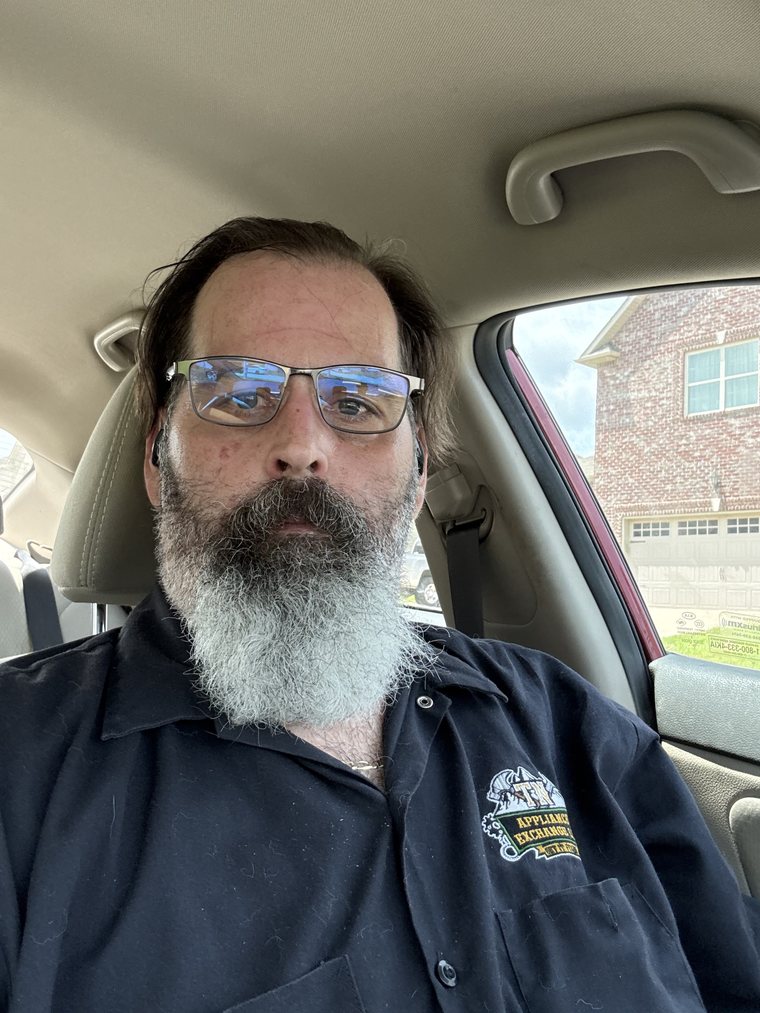
Clarksville & Middle TN, with the shop since 2020.

3rd generation — Teddy's son, both LA shores.

40+ years on appliances, all over Louisiana.
The Most Common Causes
These are the failure modes our technicians see most often on this symptom — listed in rough order of frequency. We don't publish step-by-step repair instructions for liability reasons, but the diagnostic process below identifies which one applies to your machine before any parts get swapped.
Worn shock absorbers (front-loaders)
The dampers under the tub wear out and the drum bounces during spin. Loud banging that gets worse with full loads. Replacing all four restores stability.
Failing tub bearing
The classic grinding/roaring sound during spin, especially as it ramps up. On older units the cost of bearing replacement vs. a new machine becomes a real conversation.
Drive belt slipping or motor coupler failing
Squeals at start of spin, sometimes accompanied by a burnt smell. Inexpensive parts, easy diagnosis.
Loose or broken spider arm (front-loaders)
The aluminum bracket that holds the drum to the shaft corrodes and breaks. Severe grinding and pounding. Major repair — replacement often makes more sense.
Object lodged in pump or between tub and basket
Coins, hairpins, underwire bras. Random rattle or grinding that comes and goes with cycle phase. Quick fix once located.
Before You Call — What's Safe to Try
Some of this you can absolutely handle, and we'll tell you straight which parts. Other fixes are doable but carry real risk, and a few you should never touch. This is general guidance, not professional advice — always unplug the appliance (or shut off the gas/water) before you check anything, and if it feels beyond you, that's exactly what the $50 Quick Check is for.
✅ Safe to try yourself
- Check the drum and pump filter. Coins or an underwire migrate into the pump and rattle. Clean the pump filter and feel around the drum seam.
- Level the machine. A washer that walks or bangs is often just sitting unevenly.
- Did you remove the shipping bolts?. A new front-loader will roar and shake violently if the transit bolts are still in the back. Pull them.
⚠️ Doable — but know the risk
- Shock absorbers or suspension. Worn dampers cause banging on spin — replaceable, but the cabinet opens up.
🛑 Call a pro — don't touch this
- Tub bearing (a major teardown)
- Motor
The Honest Answer
Shocks, belts, couplers, and lodged objects — yes, every time, $200–$350 range. Tub bearings and spider arms are the borderline calls because the labor is heavy. We give you the cost of the repair and the cost of replacement so the choice is honest. Parts availability and labor complexity matter more than the age of the machine. A well-built ten-year-old appliance with an available part is often worth fixing twice. A newer unit with a discontinued board is the harder call. Our techs lay both options out side-by-side — repair cost vs. replacement cost — and let you decide. Try the replacement calculator for a quick framing, but every situation is different.
Where's My Model Number?
A real technician needs your model number to nail the diagnosis and bring the right part. Here's where it hides — snap a photo when you find it.
Need the Part? We'll Find It.
Tell us your model and what's wrong — we identify the exact part, confirm it fits, and ship it to your door or install it. No hunting for part numbers; that's our job.
The 4-Option Technician Decision Report
After your $50 Quick Check (or $100 in-home diagnostic), a real technician — not a chatbot — reviews your model, video, and symptoms. They build a Technician Decision Report with four honest options:
You pick which option works for you. No surprises, no hidden costs. We don't share specific part numbers — we source the parts ourselves and ship them directly to your door, so you never have to hunt for the right SKU.
What Will This Cost?
Pick the likely repair to see our flat labor price next to what most shops charge all-in. The exact part price comes after a quick diagnosis — you'll see the real number.
Real Numbers, No Mystery
Most repairs for this symptom land in the range below. The diagnostic confirms exactly which job it is before any quote — and the diagnostic fee credits toward your repair labor.
People Also Ask
Other Things That Could Be Wrong
Middle TN + Louisiana
Whether you're in Nashville or Hammond, the diagnostic process is the same. We service Middle Tennessee and Louisiana with six experienced technicians.
Outside the cities listed? Chat with Ant — we'll confirm coverage before you pay anything.
Chat with Ant — Get a Real Answer Today
Chat with Ant — tell us what's wrong, share a quick video and your model number photo, and a real technician will build your Technician Decision Report. No hold music, no guessing, no commitment until you see your options.